
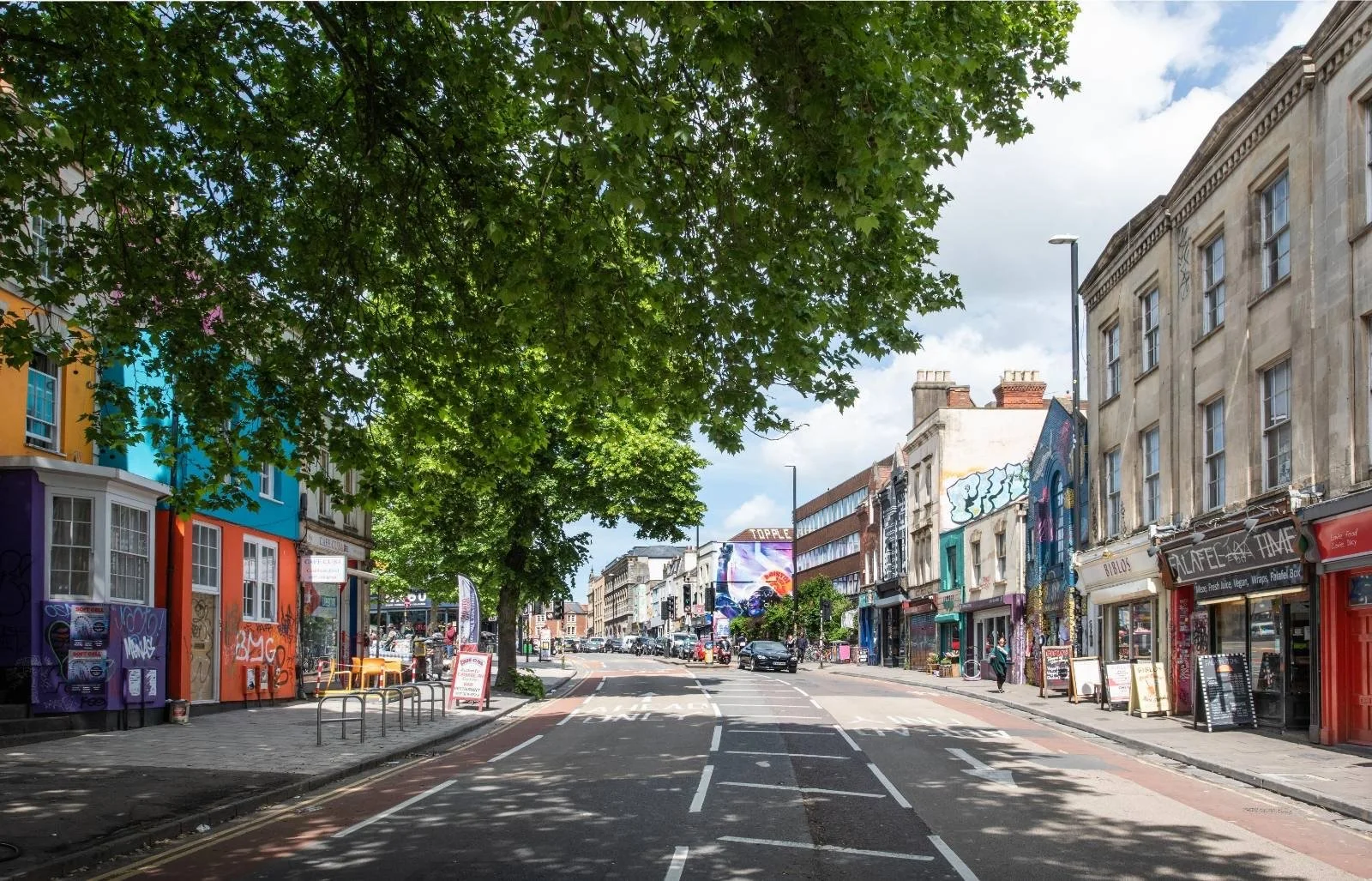
Bristol City Council, VCSE, and community members awarded grants to small, community organisations to build their resilience. Praxis director Jack evaluated the project in his University of Bristol role.
In 2023, the Council created the Community Resilience Fund to support organisations to rebuild after the COVID-19 pandemic. To make sure the grants went to the right places, the Council included Bristol residents in the decision-making process.
The project was an experiment in democracy and participatory decision-making. It followed the Citizens’ Assembly in 2021, where 60 Bristolians directed Bristol City Council direction on climate change, transport, and health policies.
Jack in his University of Bristol role led the evaluation of the decision-making process. Jack was keen to build on the Citizens Assembly, exploring deliberative democracy and citizen engagement with the promise of an even greater opportunity to equalise power.
Making sure the organisations that most help us can grow
The overall design of the project was crafted by TPX Impact and Bristol City Council, with Jack providing feedback and insights throughout this early design phase. The project was developed to put Voluntary, Community, Social Enterprise (VCSE) organisations, the Council, and community members on more equal footing. Part of the design process was therefore to include VCSE organisations from the offset.
Bristol City Council were keen to learn by doing, which aligns well with Praxis’ combination of practice and theory. At the start of the project, Jack’s role was to bring theories about deliberative democracy to translate theory to practice. With the different skills and experiences brought by TPX Impact, Bristol City Council, the VCSE organisations, and Jack, the team covered a whole host of strengths which created a holistic and comprehensive plan for the deliberative discussions.
Bristol’s culture is at the centre of these discussions
The team included Vivid Regeneration and a team of students from the University of Bristol to evaluate the process of co-designing, facilitating, and holding discussions. Again, the diversity of the groups involved brought a range of strengths. Vivid Regeneration’s long term working relationship with the council and VCSE organisations meant they brought insight on the history and dynamics between different groups. On the other hand, the students brought a fresh perspective. Jack’s skills in deliberative democracy brought a theory-based approach which grounded the evaluation in existing research.
The team observed the participants’ deep appetite for the deliberative processes. The collective conversations gave space for the participants to grow into deliberators with decision-making power. Over the course of the project, the citizens got to act as citizens, getting involved in the decisions that help support and strengthen their communities. There was a real interest from those involved to take part in future community participatory forums.
The Community Resilience Fund project is one of the biggest examples of community deliberation in Bristol to date. The project demonstrated the scale of energy required to meaningfully facilitate a deliberative space. Their work also shows the importance of engaging and including the community in decision-making so that local context is taken into account.